The good and bad of Twitter. How to avoid burnout in a digital age of PD.
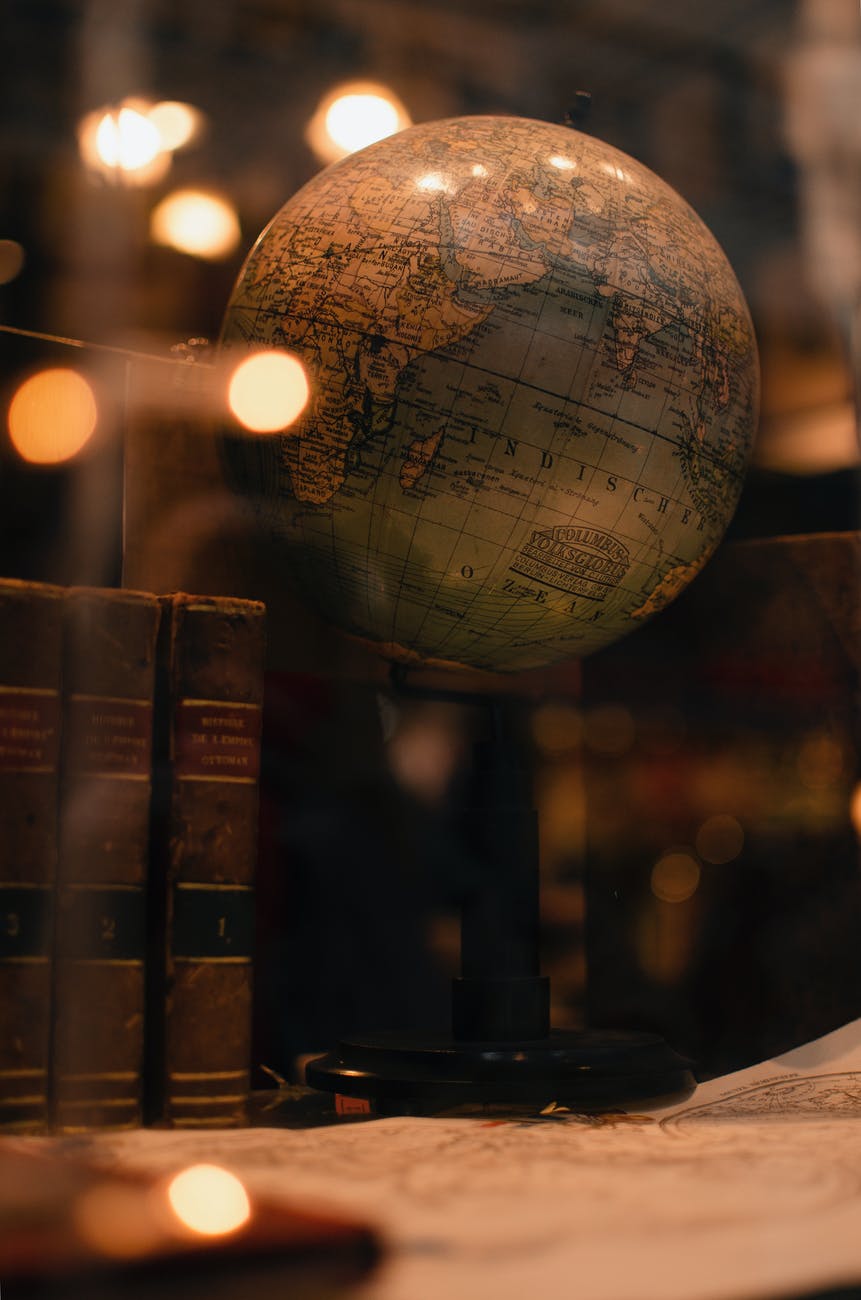
Whether we realize it or not, we live and work in a very global world. Everything is connected and relatively easy to access. Teaching in Thailand has made this very evident to me the past few years. Despite being halfway across the world, technology allows for instant communication with family and friends back in the United States. You can order almost anything on the internet and it can be shipped to most places in the world. This has huge implications for education which were made extremely evident in the past year and a half due to COVID-19.
The past year has seen a huge rise in virtual professional developments. This may not seem like a huge deal to those teaching in the United States or United Kingdom (where most of these conferences would happen normally), but to those of us teaching in other countries being able to have access to high-quality PD has been a blessing and a curse. I have always been a teacher who wants to stay up to date with the current trends and research of education. Conferences are a great way to do that, but unfortunately not that many conferences happen in Southeast Asia. With this move to virtual conferences, I found I could go to any conference I wanted. I was in love with it at first. Then came the reality. Every conference in every country, province, state, and region was being pushed online. This meant that there were too many opportunities, and I realized I had to be very careful. I cannot do it all, even though every part of me wants to.
One thing I learned this year is how to prioritize which conferences and training are useful while also learning how to take care of myself. There is so much information out there, and it is easier than ever to access it all. I am all for learning everything and being the best educator possible, but I also know how hard this year was and the physical/emotional toll teaching during a pandemic took.
With so much moving online and virtual, I was also able to give my students opportunities that would not have been possible otherwise. Introducing students to the world is a powerful learning tool. I was able to have my students in Bangkok watch a recording (due to timezones) of Matt Parker discuss the quadratic formula. We as educators need to embrace this global world and introduce our students to it. I hope that international collaboration does not disappear as schools return to in-person learning.
Teaching in a Global world has so many good things. I hope that through all of this we learn how to be better educators and equip our students for the future. That being said, even though it is good, it can be a lot to take in and easily lead to burnout. My fear is that many of the good things that come from teaching in a connected world will be overshadowed by how hard this past year was. I want to avoid that by acknowledging how hard it has been but also highlighting the good that has come out of the struggles.
Note: If you teach middle or high school and want to have your classes collaborate with students at a school in Bangkok just let me know!
 mind-the-gap.blog