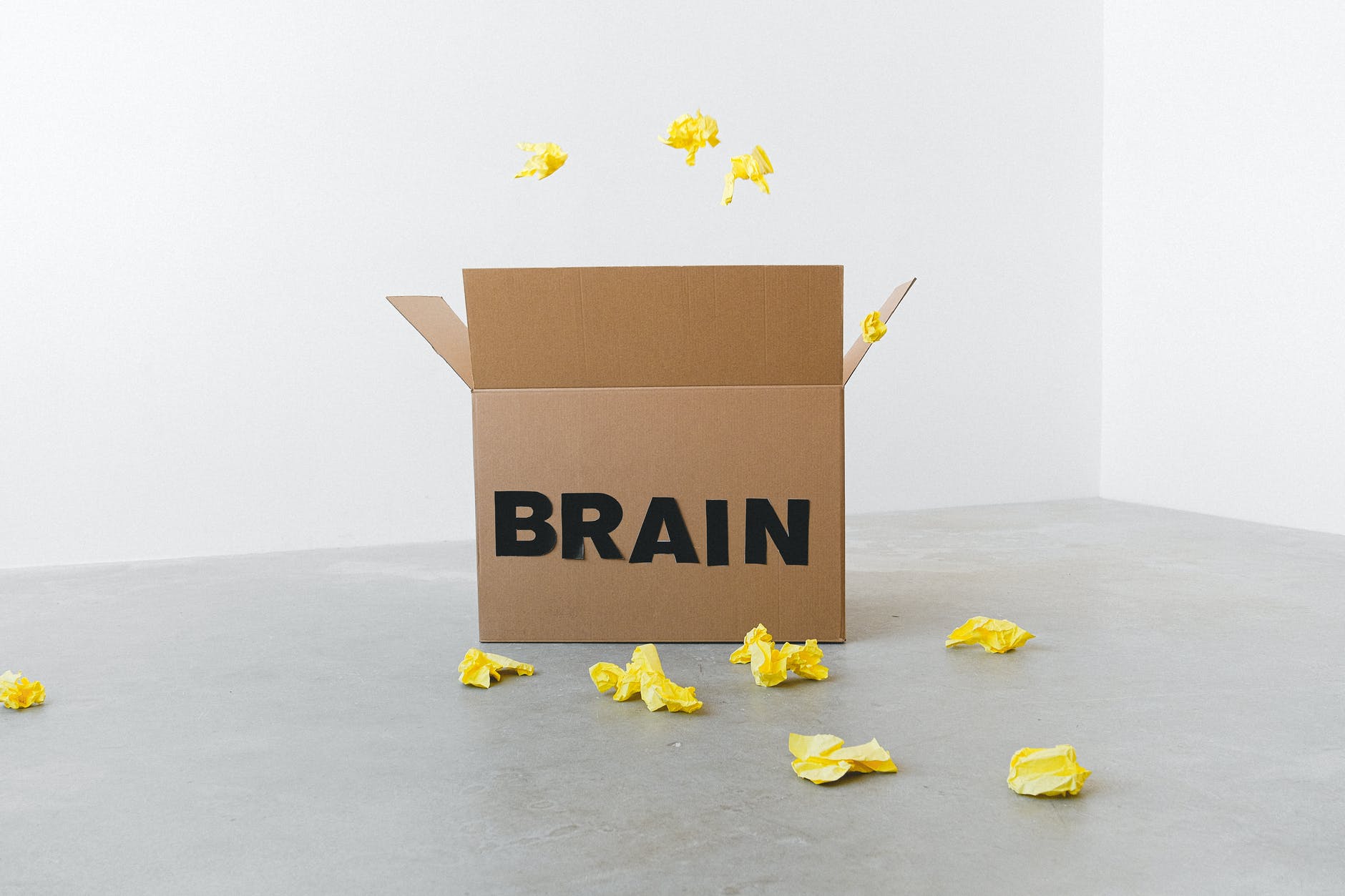
Something I became really interested in during my student teaching was Whole Brain Teaching. I am by no means a Whole Brain Teaching expert (you can find the experts at their website), but I have tried to implement a few Whole Brain things into my class each year. I was not sure initially how well the strategies would translate into an online format, but I have been pleased with how engaged my students are when I use a Whole Brain strategy!
SUPER IMPROVERS
One of the hardest parts of starting this year was coming up with a classroom management plan. Students are on mute a lot of the time on Zoom, so it doesn’t make sense to reward them for being quiet. There is no way to reward kindness to others or lining up in a straight line. I had to be creative in the types of things I incentivized for my students. That’s where Super Improvers comes in. In Whole Brain Teaching, students are rewarded for making improvements. In this model, the rewards do not always go to the same few “good” students all the time, and it gives a chance for “bad” students (we call them “lovable rascals” in Whole Brain Teaching) to be rewarded for their improvement. I have picked a few key characteristics that students most often show to earn Super Improver stars: improved patience, improved technology skills, improved problem solving (when they don’t have a supply needed for class), or improved class participation. I love how Super Improver stars set the tone that improvement is the goal rather than perfection. I also love how I can tailor the ways students improve to be appropriate for our online setting.
MIRRORS ON
Something I dreaded about online school is the audio delay and feedback. I let all my students turn on their mics at the same time to sing happy birthday to students (the chaos adds to the celebration!), but otherwise I make sure that only one student has a mic on at a time. This would be a problem for Mirrors On. In Mirrors On, students have to repeat everything the teacher says. I break down a teaching point into one sentence (e.g., “A noun is a person, place, or thing.” or “The roots absorb water and minerals from the soil.”). I make up hand motions to help the students remember the phrase, and we repeat it in silly voices until they remember the phrase all by themselves. When we got to irregular plural nouns, I knew that Mirrors On would be the best way to learn all the little nuances of when to add -s or -es or -ies or -ves. I decided to give virtual Mirrors On a try, and it worked! The students were not repeating in unison of course, but they were still able to repeat the information and learn it. Mirrors On is also an automatic way to get every single student moving and learning at the same time. It can be tricky to know when students are engaged online, but I know that every student is engaged when I see their hand motions.
BRAINIES
My next goal for implementing Whole Brain Teaching in my class is to more consistently use “Brainies,” specific hand motions to match critical thinking words. I use a Brainy hand motion when my students make connections from their lives to what we are learning, but I have not gotten much deeper into that world. Brainies help students connect their thoughts and see connections in other people’s thoughts, and they seem like a nice extension of what I am already doing with Mirrors On. Hopefully I can let you know how Brainies go with my class another time!
 mind-the-gap.blog